Why Nolan rewards any starting point
Christopher Nolan makes big, intricate films that combine spectacle with ideas about memory, time and identity. You do not need to watch them in release order to enjoy them, but understanding how his work connects makes the later films richer.
The easiest entry point: Inception
Inception is the most accessible of his mind-bending films. It has a clear heist structure with a dream-within-a-dream twist, and it moves fast. If you have never seen a Nolan film, start here.
The emotional one: Interstellar
Interstellar is Nolan's most openly emotional film. It is still full of big science ideas, but at its centre is a father-daughter story. Choose this if you want the scale with the most feeling.
The mind-bending classic: Memento
Memento is a tight, low-budget film told in reverse about a man who cannot form new memories. It is where Nolan's obsession with memory and narrative structure began. Best for viewers who like to work at a puzzle.
The pure spectacle: Tenet
Tenet is Nolan's most complex film — time runs backward in places and the plot is hard to follow on a first watch. Do not start here, but return to it once you are comfortable with his style. It rewards multiple viewings.
The character one: The Dark Knight
The Dark Knight is not a science-fiction film, but it shares Nolan's craft and sense of consequence. It works as a standalone thriller built around one of cinema's great villains, and it is a fine entry point for people who prefer real-world stakes.
The historical turn: Oppenheimer
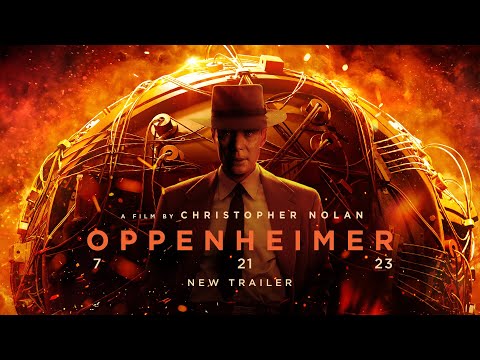
Oppenheimer is a dialogue-driven historical drama with no science-fiction premise. It shows how Nolan's methods — parallel timelines, mounting tension — work on real events. A good pick if you want his technique applied to the past.
The war film: Dunkirk
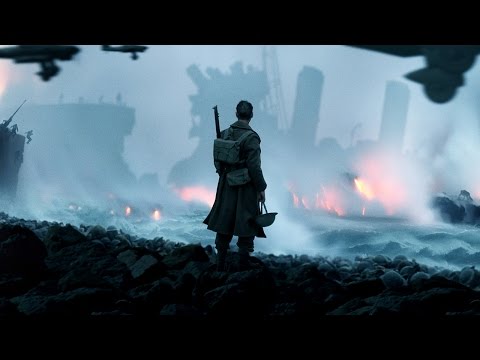
Dunkirk is a lean, nearly dialogue-free war film told across three timescales that slowly converge. It is Nolan's most purely sensory work. Choose it when you want tension and craft over plot twists.
A suggested route
For most newcomers the smoothest path is Inception, then The Dark Knight, then Interstellar, then Memento, then Oppenheimer or Dunkirk, leaving Tenet for last. But there is no wrong way in — every film stands on its own.